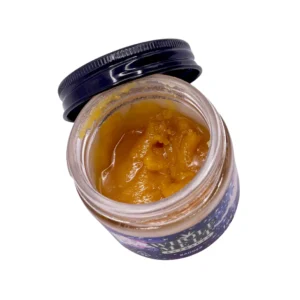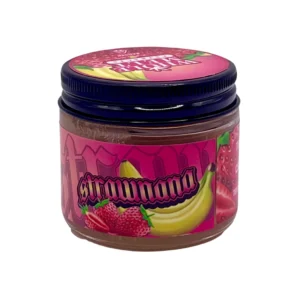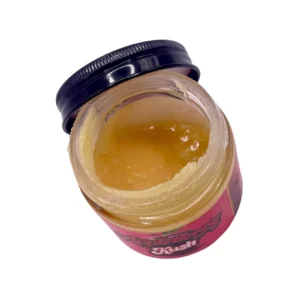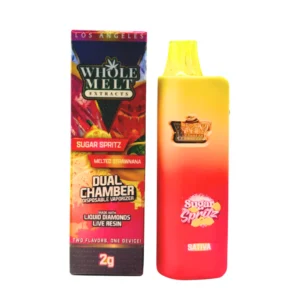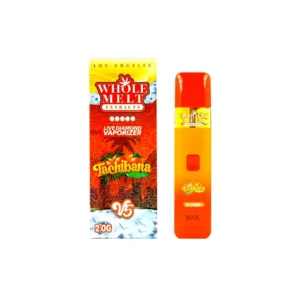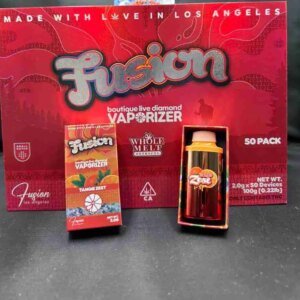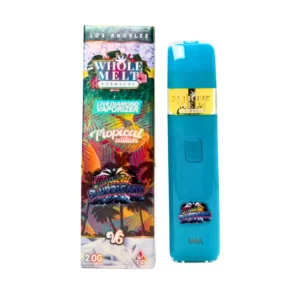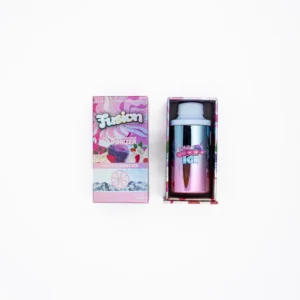

What Does “Whole Melt” Mean?
To understand the Whole Melt V7 designation, one must first understand the standard industry definition of “Full Melt” or “Whole Melt” extracts.
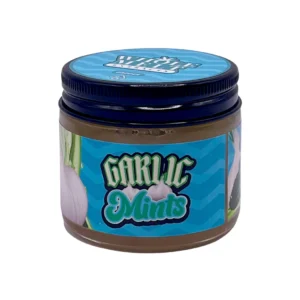
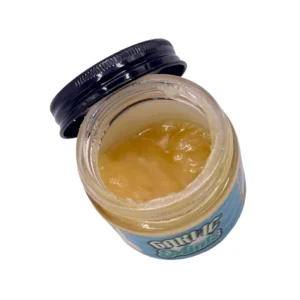
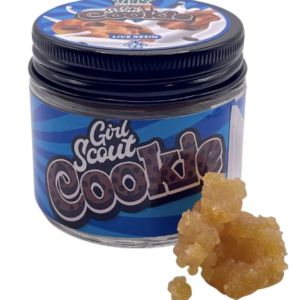
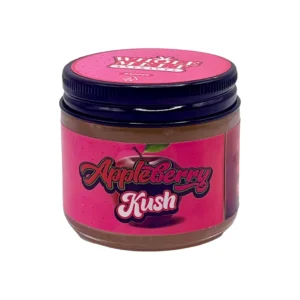
In legitimate cannabis production, Full Melt refers to a high-purity form of bubble hash (ice water hash). It is considered one of the cleanest methods of consumption because it is produced without chemical solvents like butane or propane.
-
Process: The plant material is agitated in ice water to freeze and break off the trichome heads (where cannabinoids and terpenes reside).
-
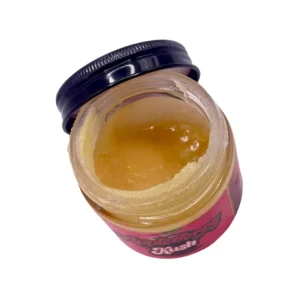
Purity: These trichomes are collected and dried. A “full melt” grade means the concentrate is so pure that, when heated, it liquefies completely and leaves virtually no residue behind.
-
Quality: These products are generally considered premium, expensive, and sought after by connoisseurs for their clean flavor profiles.
Navigating the “Whole Melt V7” Brand
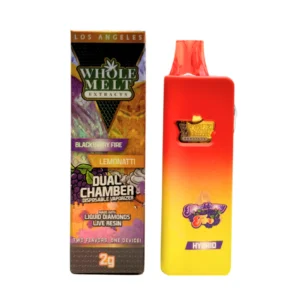
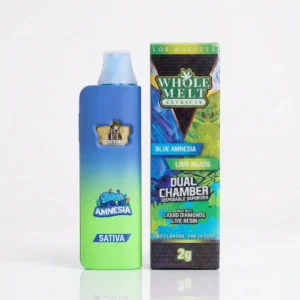
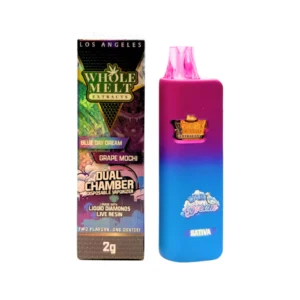
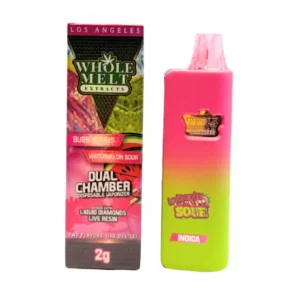
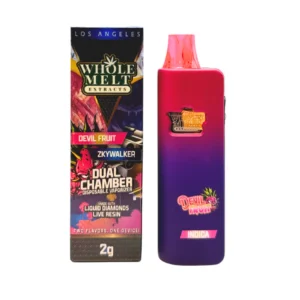
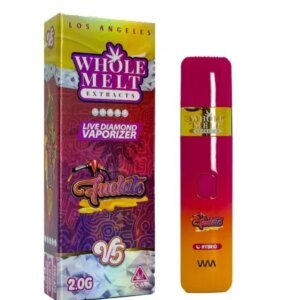
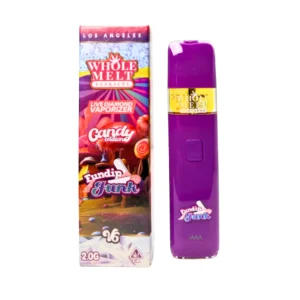
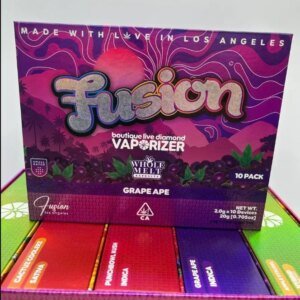
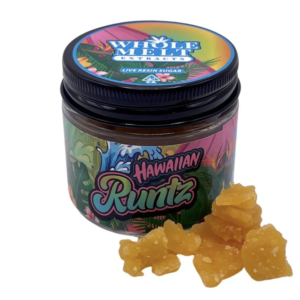
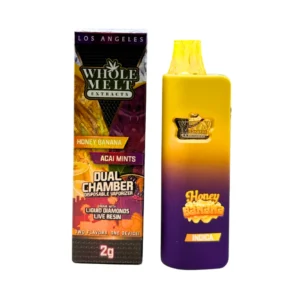
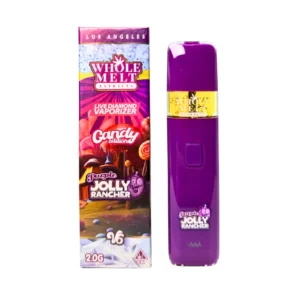
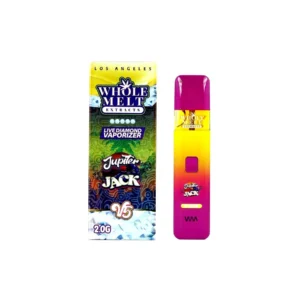
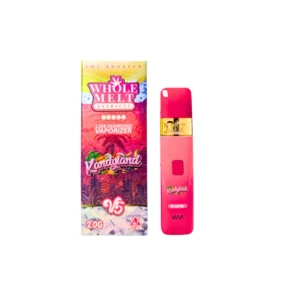
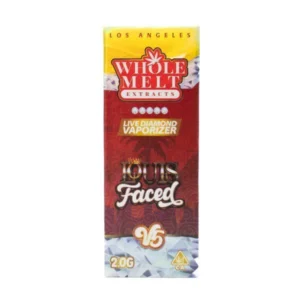
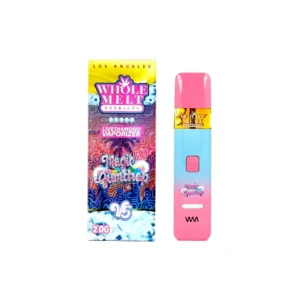
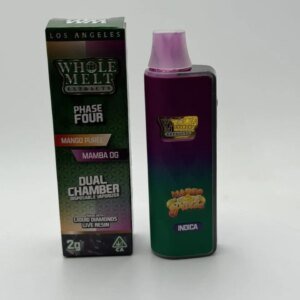
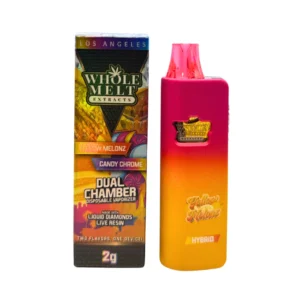
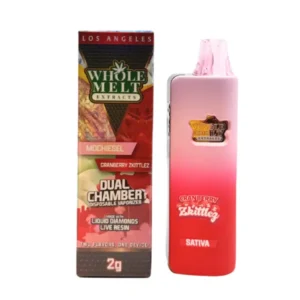
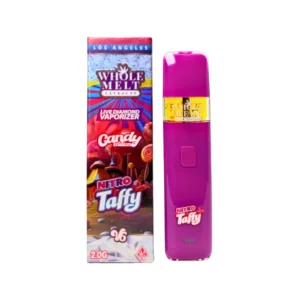
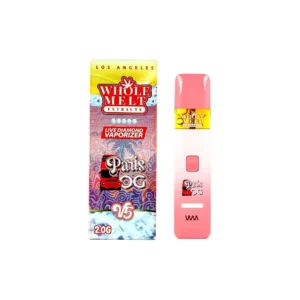
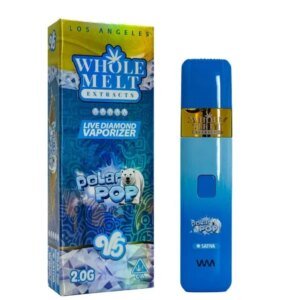
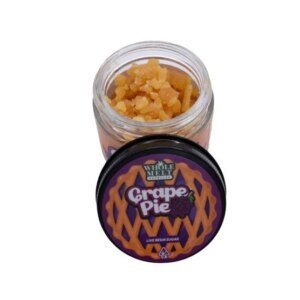
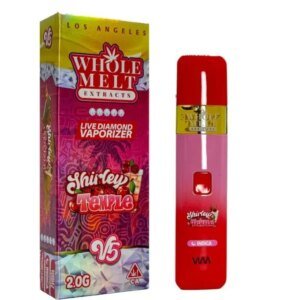
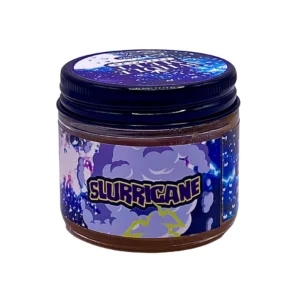
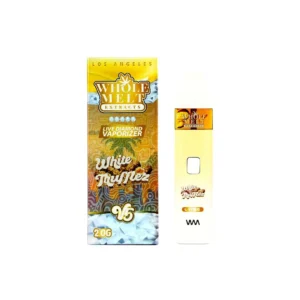
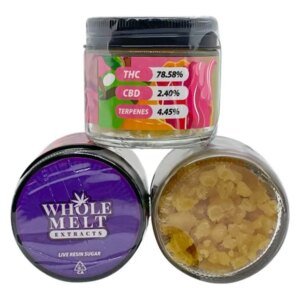
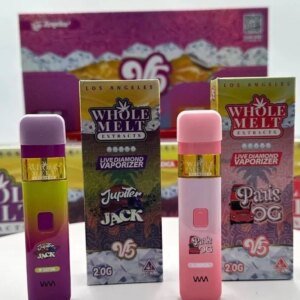
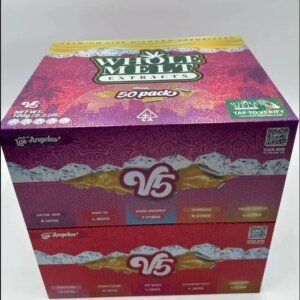
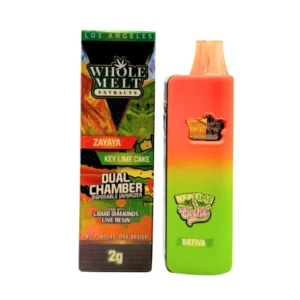
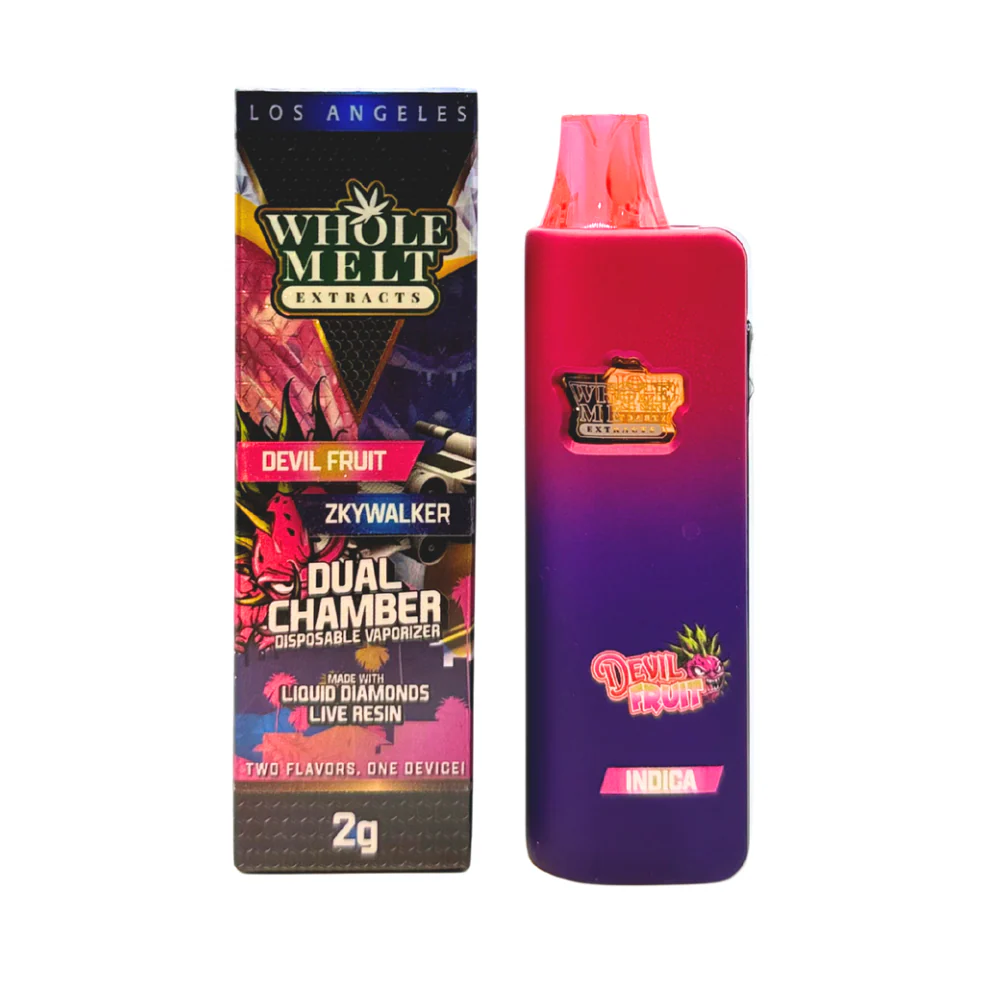
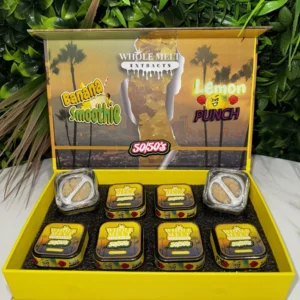
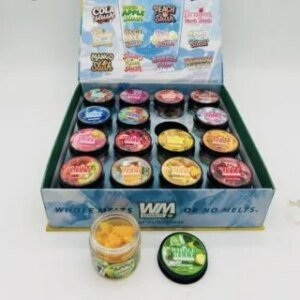
While “full melt” is a generic industry term, Whole Melt Extracts—often associated with product lines like Whole Melt V7—functions as a specific brand name in the marketplace.
Consumers searching for Whole Melts V7 or new Whole Melt V7 releases should be aware that this specific brand is widely considered by industry experts to be a black-market or gray-market operation. Unlike regulated cannabis brands found in licensed dispensaries, these products often lack transparency and safety testing.
Key Red Flags for Unregulated Brands
If you encounter a V7 Whole Melt disposable vape or concentrate, consider the following warnings regarding brand legitimacy:
-
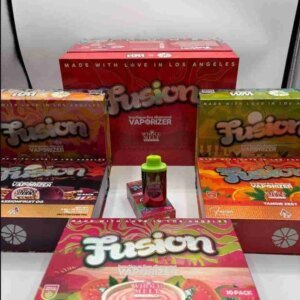
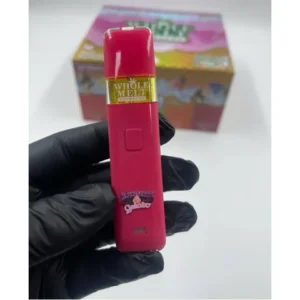
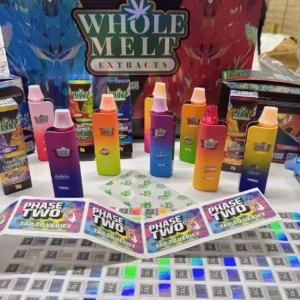
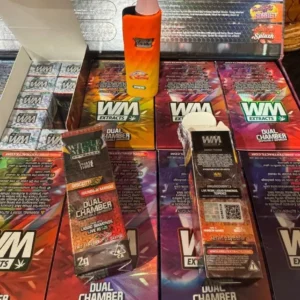
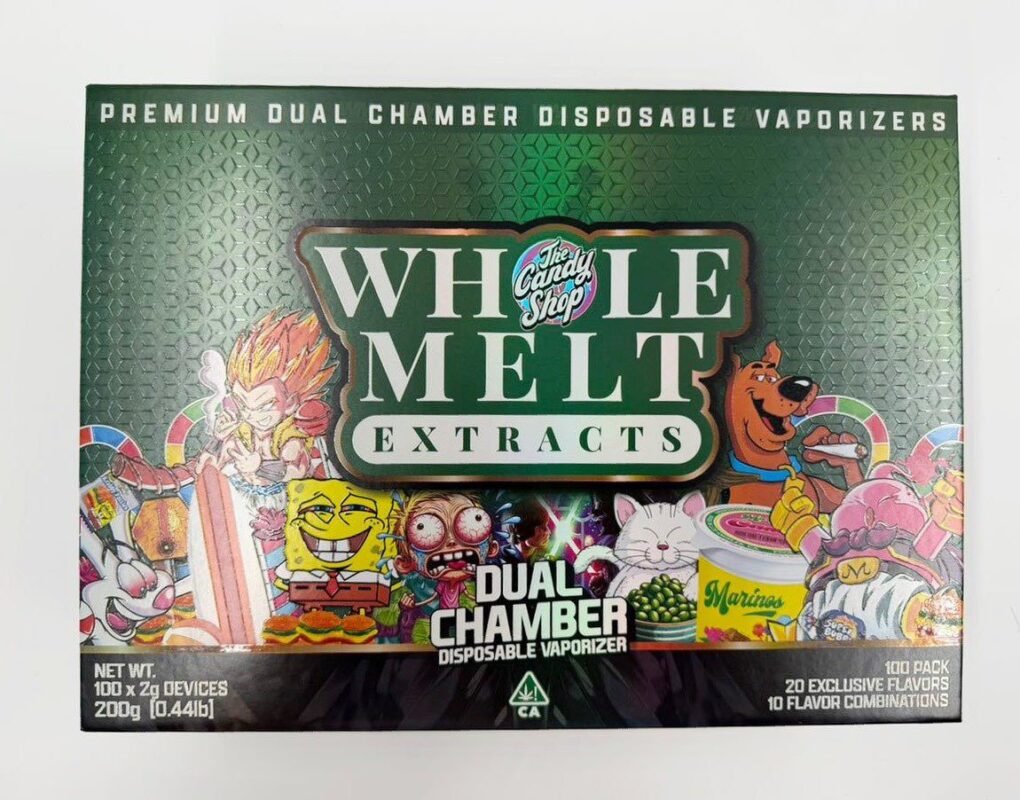
Packaging Availability: Empty “Whole Melt” branded packaging and disposable hardware are easily purchased in bulk online. This allows unauthorized third parties to fill these devices with unknown or potentially harmful oils and sell them under the “Whole Melt” name.
-
Lack of Official Presence: Legitimate cannabis companies operate within state-regulated frameworks. Many websites claiming to be the “official” Whole Melt site exhibit common scams, such as lack of age verification, insecure payment methods, and an inability to provide a verifiable Certificate of Analysis (COA).
-
No Lab Testing: Without a batch-specific COA from an accredited third-party lab, there is no way to verify if the product contains pesticides, heavy metals, residual solvents, or harmful thinning agents like Vitamin E acetate.